Drip Irrigation: A Deeper Analysis
1. How it works:
Drip irrigation is designed to deliver water slowly and in droplets from nozzles to the soil around the roots of plants. The process typically involves the following steps:
Water pressure: Water is pumped into the system from a source at the appropriate pressure.
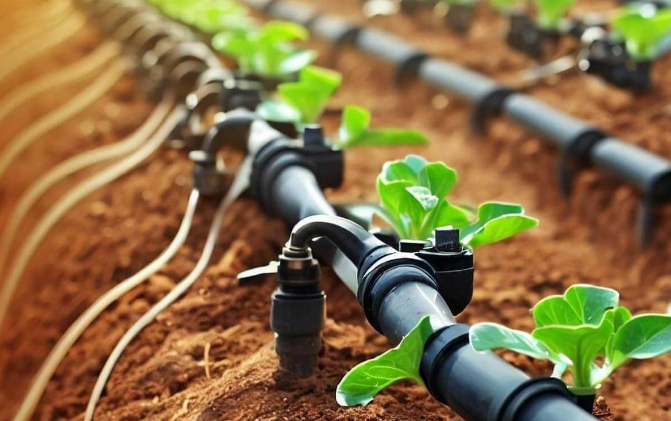
Water transfer: Main and branch pipes direct water to the nozzles.
Water distribution: The nozzles spray water into the soil in small droplets, which allows the roots to absorb moisture directly.
2. Additional benefits:
Reduce soil erosion: Even distribution of water helps reduce soil erosion.
Reduce plant diseases: By preventing leaves from getting wet, the likelihood of fungal diseases is reduced.
Flexibility: These systems can be easily adjusted for different types of crops and terrain.
3. Types of drip irrigation systems:
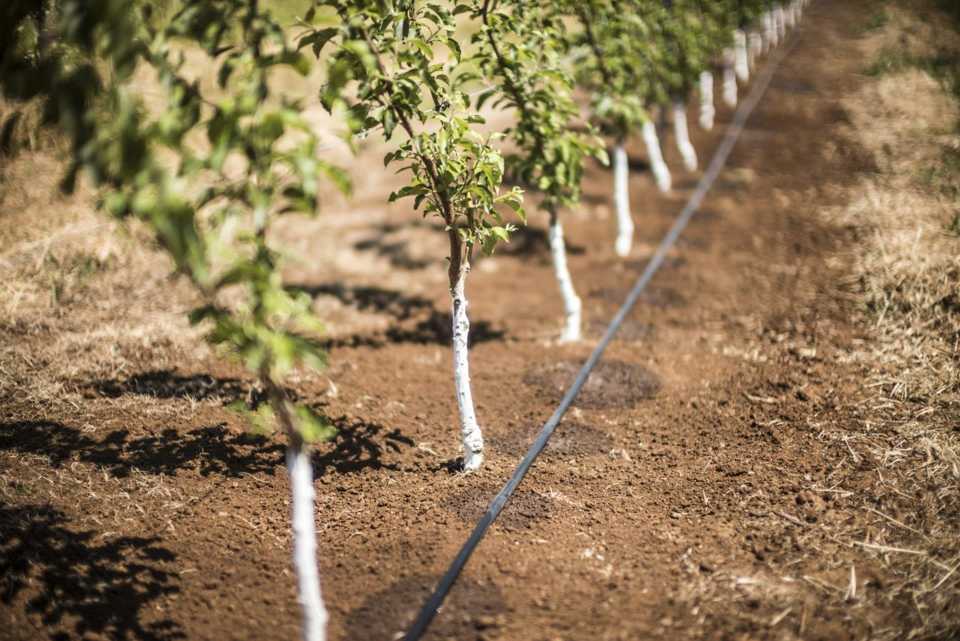
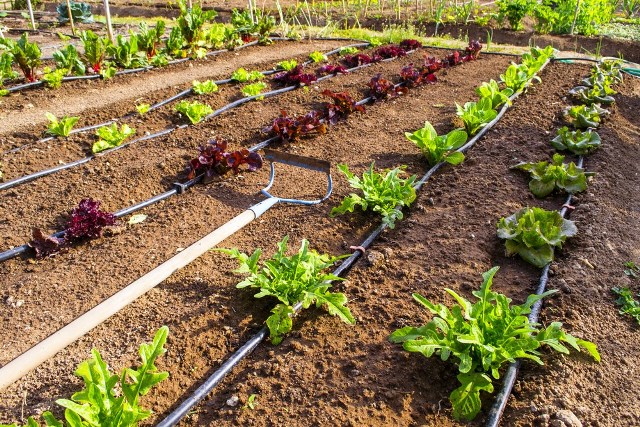
Surface systems: These consist of linear pipes or strips that are located on the ground surface and deliver water to plants in the form of drops.
Subsurface systems: In this method, pipes are installed below the soil surface and deliver water directly to the roots. This method can be effective in reducing evaporation and water leakage.
4. Challenges and considerations:
Installation cost: The initial cost of installing a drip irrigation system can be higher than traditional methods.
Maintenance: Regular care and maintenance are required to prevent nozzle clogging and leaks.
Watershed management: In areas where water resources are limited, providing the right amount of water for the system can be challenging.
5. Applications:
Drip irrigation is widely used in agriculture, horticulture, and even in the design of urban green spaces. This system is very efficient in greenhouse crops, orchards, and crops such as vegetables and grains.
Conclusion:
Drip irrigation, as an advanced technology in water management, plays a key role in increasing agricultural productivity and sustainability. Considering the challenges of climate change and water scarcity, this method is recognized as an effective solution for supplying water to plants in the future.